Colombia is a country rich in musical culture with a vast variety of genres. From the traditional music and dances such as Bambuco to the Pop music of the 20th century, Colombia has music for every generation and taste. The mixture of Colombian music has African, native Indian, and European influences that make the musical culture even more diverse and interesting. Globalization has also really internationalized Colombian music and has had its affects on the different genres in this South American country.
Bambuco is an indigenous form of music often referred to as Musica del interior. It is still around today but was the most popular in the mid 1920s to late 1930s. It has a sad and slow rhythm and often uses the tiple, the mandolin, and the guitar. Some believe that the music is the unofficial music of Colombia but it is most popular in the Andean region. It also has a beat structure similar to the European waltz or polska.
The Popular music genre and dance, Cumbia, is a very large staple in both traditional and modern Latin America. Originating in the Northern region of Colombia, near Cartagena, during the Spanish Colonization of the region, Cumbia started with African slaves who were brought to the country. It is thought to be from Guinea and their form of dance Cumbe. It is said to resemble the shackles that slaves were kept in when they were brought to the country. In the beginning of this genre, only percussion instruments were used. However now a day, there is much more variety in the instruments such as trumpets, saxophones, and trombones. Cumbia rose in popularity during the 50s which is called the Golden Age of Cumbia and Discos Fuentes (the largest Cumbia record label) was formed at this time. Since then, Cumbia has become internationally recognized and celebrated, especially in Mexico. However, one of the genres most famous songs is the unofficial Colombian national anthem. It is called “Cumbia Cienaguera” and talks of Colombian’s sabor y ambiente. Cumbia is unarguably one of Latin America’s most well-known genres.
Pop Music in Colombia has been quickly growing recently, especially with the avid support of young listeners. Artists such as Fonseca, Lucas Arnau and San Alejo have led mainstream Pop Music in the country. Pop infused with traditional Colombian music has also been on the rise with artists Los De Adentro and Maia. However, the most recognized Colombian Pop artist by far is Shakira, who has sold millions of records worldwide, topped the charts in over 70 countries and won 9 Grammy awards (2 American, 7 Latin American). Singer-songwriter Juanes gained mainstream popularity in 2002 and swept the Latin Grammys in 2003.
http://en.wikipedia.org/wiki/Music_of_Colombia
The popular folk music of Vallenato was first established around the Caribbean bordering regions of Colombia. This music genre is composed of a mix of African and Caribbean sounds as its roots “lie with the music of the Wayuu Indians of the Güajira peninsula of Northern Colombia.” A myth about the Vallenato is that many say that it originated from Francisco el Hombre who battled with Satan in a musical contest. After this, Vallenato rose to popularity in 1980’s especially with the works of Grammy
award winner, Carlos Vives. His music has reached all parts of Latin America and worldwide as he established a more modern mix to Vallenato by combining traditional sounds with pop and rock sounds.
The Caribbean is an enchanting place full of life and mucho savor—or a lot of flavor. The island of Puerto Rico is one of the many islands in the Caribbean Sea which was first established by Spanish conquistadors, but stands today as a self-governing Commonwealth territory of the United States.
Known as La Isla del Encanto, or The Island of Enchantment, Puerto Rico is a unique country full of vibrant culture that comes alive through its music and dance.
With strong ties to its African, Taino, and Spanish roots, two of the most popular and practiced traditional dances or folklores in the island are the Bomba and the Plena. These two traditional dances are derived from the unique music that also holds the same names as the dances. Bomba music is composed of African rhythms and beats through the use of barrel shaped drums and sticks. This dance is “described as a dialogue between [the] dancer and [the] drummer” where each play and move to dueling rhythmic beats as if challenging each other. In most dances, the man is the musician and the woman plays the role of the challenger or seductress. Plena music derives from a mix of Spanish and Taino rhythms through the use of instruments from such cultures, such as the Spanish guitar and the guiro. As this style of music emerged through the island during more colonial times, people used music as a means of communicating recent news, stories, and even rumors. The Plena is a more structured and conservative dance with strong Spanish ties within the movements. It is normally danced in couples and in many cases the dancers portray what the lyrics are expressing.
In Puerto Rico today, there is a variety of music and dance that have established themselves into the culture, yet “Bomba y Plena remain the most popular forms of folk music on the island, and many cultural events highlight this music for entertainment.”
Puerto Rico has a rich culture in dance, but the most popular are by far the Merengue, Cha-Cha, Salsa, Plena and Bomba.
Merengue: Adapted from the Dominican Republic, this style has two variations. The ballroom Merengue is a basic two-step with a twist of the hip during which the couple never separates. The Figure Merengue involves the couple making individual turns.
http://www.youtube.com/watch?v=P_cbIgK_OLc
Cha-Cha: Based on the mambo, it was named for the sounds of the dancers' feet when performing this. It involves three quick steps (the triple step or simply the cha-cha-cha) followed by two slow steps on the next two beats.
http://www.youtube.com/watch?v=Uc_jOljHgWI&feature=related
Salsa: The word denotes a fusion, and the dance is a mixture of several Latin and Afro-Caribbean dances. Salsa is danced in a pattern of six steps over eight counts of music. Turns are very important in this dance.
http://www.youtube.com/watch?v=C7IwkLcHeBI
Plena: The Plena is simple and although it is danced in pairs, its evident it was originally a solo dance. Some are very fast paced, accompanied by the drums.
http://www.youtube.com/watch?v=0ZO6Rsl6mWw
Bomba: This provides the foundation for the rhythm of the Bomba genre of music. Developed by west african slaves to celebrate marriages, baptisms and other occasions it is danced in pairs without contact (unlike most of the other popular dances). The dancers perform fast steps called floretea piquetes, challenging the drums and musicians that accompany them.
http://www.youtube.com/watch?v=_RfPjGOfrr0
Another very popular music style is reggaeton. Although originally from Panamá, this music dance genre has grown in popularity throughout the island of Puerto Rico. Reggaeton is a distinct style of music that is fairly new. With roots in the early 20th century, the genre has only recently come into popularity and spread throughout Latin America and the World. This music is a mix of Jamaican dancehall, reggae, merengue, bomba, plena, and many other styles of music and has a unique beat called “dembow.” Later on in the 1980s, urban youth in Puerto Rico began to catch wave of this music because of the hip-hop and reggae beats and reggaeton became popular in Puerto Rico. The pioneering reggaeton artist of Puerto Rico was Vico C and now many of the most well-known reggaeton artists come out of Puerto Rico such as: Daddy Yankee, Tego Calderon, Wisin y Yandel, Calle 13, and Ivy Queen.2004 was the year that reggaeton took a turn and finally spread outside of Latin America and became very, very popular, especially in the United States.That year was the release of Daddy Yankee’s album Barrio Fino.The Puerto Rican outbreak of so many reggaeton artists has captured the hearts and minds of urban Hispanic youth and many others throughout the world.
The telenovelas of Latin America are very different from the soap operas that we are used to in the U.S. For starters, these series are not endless and are run for only a short amount of time. Basically, telenovelas are mini soap operas. The word telenovela means “Novel” or story for the “Television.” The origins of modern day telenovelas come from the combination of ancient melodrama, feuilletons (19th century French stories), and radionovelas from Latin America. The first telenovelas were produced in Brazil, Cuba, and Mexico in the early 1950s. The first telenovela that went global was Los Ricos También Lloran which was from Mexico in 1979 and became popular all over the world. The head of development of Telemundo (a Spanish channel prevalent in the U.S.), Patricio Wills describes telenovelas as follows:
“The plot is always the same. In the first three minutes of the first episode the viewer already knows the novela will end with that same couple kissing each other. A telenovela is all about a couple who wants to kiss and a scriptwriter who stands in their way for 150 episodes.” Televisa is the largest producer and exporter of telenovelas in Mexico and has made many remakes of telenovelas in other countries such as La Fea Mas Bella (remake of the Colombian, Yo Soy Betty la Fea). Telenovelas have hit all over the world including Europe, the Americas, and Asia.
Telenovelas are popular in many Latin American countries. Argentina's Código Postal telenovelas focus on melodramatic twists of traditional middle class life, with touches of comedy. Some well known youth telenovelas are Chiquititas ("Little Angels"), Rebelde Way ("Rebel's Way"), and Floricienta. Brazil's telenovelas (more often novelas) are both more racy with ample nudity and apt to broach controversial subjects. Malhação ("Working Out") is one of the longest-running telenovelas in Brazil. Novelas usually last eight months at most in Brazil, but Malhação has been on the air since 1995. In the Dominican Republic, the telenovela Tropico was produced in 2007 with mostly Dominicanactors and a few from Venezuela and Peru. It is being aired by Antena Latina 7 in the Dominican Republic and on Univision in United States. There are currently plans for more telenovelas made, filmed, and produced in the Dominican Republic. In México, telenovelas are often traditional. María la del Barrio is a working class melodrama which features a poor girl who falls in love with a rich man whose family spurns her. Another is a remake of the previously mentioned Argentinean telenovela, Rebelde Way. Rebelde was a worldwide phenomenon and before it was replaced in 2006 with Código Postal, one of the series' major plot lines revolved around a group of students forming a pop band. The actors, who play the members of this band, are also in a real band, abbreviated as RBD to distinguish it from the show. RBD performs most of the music used on the show, and has been extremely successful in its own right, becoming one of the most popular acts in Mexico and touring internationally.
Throughout their establishment, telenovelas have become an important part of Latin American and Caribbean popular culture. From the elderly to young children, families gather around the television every day of the week to watch the ongoing daily telenovela episodes. As a most common and popular venue of entertainment, telenovelas have not only been embedded into the culture, but also the history and traditions of numerous individuals.
Although accepted by all Latin American cultures, as these productions became globalized into international markets, critics began to raise questions about the distinct similarities within the themes and plots of these productions. Telenovelas, such as Maria Isabel and Al diablo con los guapos, are some examples of the productions based on the typical representative themes which critics argued to be the most prevalent in the entertainment market of Latin America.
For example, Maria Isabel, portrays the struggles, fantasies, realities and interactions of an indigenous woman living in Mexico. The protagonist, Maria Isabel, ends up falling in love with a rich man who employs her at his mansion as a servant. She continues to struggle through the differences in social culture and image while fighting for her love of this man. In the end, she ends up marrying her true love and living happily ever after away from her indigenous, or barbaric culture—as it was portrayed.
In similar ways, the telenovela, Al diablo con los guapos, also portrays the story of a young orphan woman, Milagros, who grows up in a convent. She is employed by a rich businessman and moved into his mansion as a maid. There, she ends up falling in love with his son and earns the love of his grandmother, the owner of the family’s riches. After she passes away, Milagros is left as the sole proprietor of the family’s fortune to later find out that she is the daughter of the rich businessman who brought her into the family. After numerous obstacles and twists, this telenovela ends up just like every other one, with a happy ending. The protagonists live happily ever after in wealth and the antagonists live in misery.
The similarities among the themes of most productions always seem to be predictable from the moment the telenovela commences. However, one must ask why is it that most people in Latin America and the Caribbean love to watch telenovelas if they already know the plot and most importantly the ending?!
Telenovelas are immensely popular throughout Latin America and other countries such as Germany, Canada and even the United States, attracting millions of viewers. They typically air six days a week and are fixtures in many Latin American households. The dramatic (and at times, unrealistic) storylines usually appeal to middle-aged and elderly female audiences. Since they are regularly watched they are important marketing tools – millions will watch every advertisement shown during the Telenovelas.
Sports are one of the major staples in the Venezuelan culture in this day and age. A few of the major sports include soccer (fútbol), baseball and tennis. Tennis is one of the more popular sports and is mostly just played for fun.Some people are also taking up the sport as a profession and there are also two major tournaments held in Venezuela.The Davis Cup and the Fed Cup are both set up by the Federación Venezolano de Tennis.The first Davis Cup against American players was held in 1957 and the first Fed Cup was in 1984.The government of Venezuela is very supportive of the team and even funds their tennis matches. Some of the most famous tennis players in Venezuela are Nicolas Pereira, Juan Carlos Bianchi, Milagros Sequera, Maria Vento-Kabchi and Jimy Seque.Milagros Sequera is a very good up-and-coming tennis star.Tennis is a very popular sport in Venezuela, for its recreational use, competition, and professional aspects; it is a great pastime for Venezuelans during their free time.
Sports in Venezuela are an important aspect of the daily lives of most individuals as it takes a major role in the pop culture of the country. One of the most practiced and popular sports in Venezuela is baseball. For numerous years now, baseball has gained popularity and developed as an option for a professional career. Some of the best major league players in the United States, such as Luis Aparacio and Alejandro Carrasquel, have come from this country.
As this sport became extremely popular in Venezuela, the Venezuelan Professional Baseball League was developed in 1946 after several players had been drafted into Major League baseball in the US. Alex Carrasquel was the first Venezuelan baseball player to play in the major leagues for the Washington Senators in 1939. With a strong demand, professional baseball became part of the country’s culture as the league won its first championship against Cuba and remained undefeated for several years. From then on, these players became role models for children and the Venezuelan society as they represented their country with pride.
Today, Venezuela hosts leagues, academies, and summer camps for various Major League baseball teams from the United States as the scouts seek out some of the best players in South America.
As with other Latin American countries, football is perhaps the most beloved and popular sport in Venezuela. It is played on many levels – from recreational and school competitions to the club and national level. From an early age boys (and girls to a lesser extent) are taught how to play, and often engage in “street ball” – a form literally played on the neighborhood streets, usually with makeshift goals and boundaries of play. The Venezuelan National Team, nicknamed “la vinotinto” because of the signature burgundy uniforms, never does well in international competitions. They have never qualified for a World Cup, for example. Despite this, national players such as Juan Arango and Giancarlo Maldonado enjoy some degree of fame and respect.
The art of music throughout Latin America has evolved among the numerous cultures of this large continent. Latin, tropical, samba, and even reggae are among the various music genres found throughout Latin America and the Caribbean. Although music has influenced these cultures, it has also established a strong trend and impact on the popular culture of today.
In Argentina, music has evolved through European and indigenous influences. Music genres developed in this country tend to differ throughout the various regions of Argentina. For instance, Chacarera and Chamame are two of the most known folkloric music genres along with Andean inspired music throughout the northern parts of the country. Other genres most popular Argentina include the most famous Tango, Argentine cumbia, Pop, Cuarteto, Jazz, Electronic, and Argentine Rock.
Derived from Colombian influence, the Argentine cumbia was adopted throughout the 1990s. This music became most popular throughout the lower class societies of Argentina and soon adopted some Caribbean rhythms and influences. The Cuarteto is more of a social danceable type of music that developed in the early 20th century. With a tropical rhythm, this music is also known as the merengue of Argentina. Electronic and Pop music have been some of the most recent adopted genres in this country. With a strong European and American influence, this music has mostly targeted the younger generations.
As Argentina is indeed a very unique country, its musical influences throughout the years have helped shape and establish the popular culture of today.
www.argentina.org.au/music.htm
http://en.wikipedia.org/wiki/Music_of_Argentina
The country of Argentina in South America has many unique ways about their culture.From their accent and way of talking to their beautiful forms of dance, it is really an exceptional country rich in culture.The
dance that originated in Argentina and which the country is globally recognized for is the Tango.Today the dance is a huge part of Argentinean society, but has evolved vastly from the days in which it was originated.In the 1880s the dance first came into the scene; however, it was first danced with two men instead of with a man and a woman.Tango was developed in Buenos Aires in the bars, brothels, and casinos when men were interested in looking for “romance” with women.After the Tango became popular, it spread all over the World including Europe and the U.S.Today in Argentina and especially in Buenos Aires, Tango is a huge part of their culture. I
recently traveled to Buenos Aires in the spring of 2008 and it was all over the city.There were many museums, shows, and even performers on the streets that showcased the beautiful art of Tango.This amazingly sensual dance and important piece of history in Argentina has become embedded into its culture and is still celebrated and performed today.
Rock n’ Roll music began in Argentina in the 1950’s. It evolved from an R&B base in the United States – with Elvis Presley and Bill Haley as great influences – and British Rock. Initially, Argentinean singers would make covers of Rock hits in English. “Los Shakers” was one of the first bands to do so in 1965 with their recreations of songs by The Beatles and The Rolling Stones.
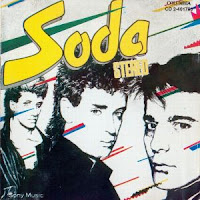
Known as “Rock Nacional,” Argentinean Rock continuously developed over decades and became an international
genre in the 1980’s. It is considered the most successful form of “Rock en Español” (Rock music written and performed in Spanish). It was one of the first non-English language Rock forms to flouris
h outside of its country of origin. “Soda Stereo,” a trio that is argued to be the biggest and most influential Spanish band to date, originated in Buenos Aires.
Today, Rock continues to be a popular form of music in Argentina. Punk Rock, Heavy Metal, Fusion Rock and Alternative are among the sub-genres with a large fan base.
http://www.youtube.com/watch?v=WR1ZO7PY0bE
Argentina has two main kinds of folk music heard all over the country. The first is one that comes from several original indigenous cultures and the second is Creole music. Brought by the Spanish colonist, Creole music has evolved significantly. The European dances, religious music, instruments, and festivals were brought by immigrants and have influenced the Creole music to what it sounds like today.
Each region in Argentina has different characteristics because of its geography and climate. “Each has cultural characteristics of its own.” One region that still retains much of its indigenous folk music is the southern region of Patagonia, which has been undisturbed by visitors or colonists over the years. In the northwest near Jujuy, the music is greatly influenced by its surrounding countries like Bolivia, Peru, Paraguay and Chile. It also has some traditional music including characteristics of the Incas. In the central region of Argentina, around Córdoba, the original traditional music has disappeared. This is due to the new style of dance music called cuarteto that has become extremely popular and successful for the recording industries. Also, in the plains area called La Pampa, the dances are lively but the songs are often slow and quiet. Lastly, in the northeastern part, the European dances like the polka, waltz, and schottische, has been accepted by the indigenous people.
Dance is fundamental in the life of a Peruvian. There are many traditional types of dance that are still performed in Peru today. The “Marinera” is a dance that is performed differently in the northern region and in the highlands. It has been described as a dance dedicated to courtship and love. Another dance is called the “Tondero.” This dance has been estimated to have been originated in the Northern Coastal district of Peru. It has been described to represent the quest of the rooster to the chicken. In this type of dance, women wear a dress called an “anaco” which is a top that looks like a blouse over a wide skirt. The men wear a thin hay hat with a striped or white shirt and white or black pants. A more sensual type of dance is called the “Festejo” which has more of an upbeat pace. Another joyful and colorful dance is called the “Huayno” which originated in the Inca Empire, survived the Spanish colonization, and is still popular today. The most typical dance on the Peruvian coast is the “Alcatraz” dance. This dance dates back to the beginning of the 20th century from when the black slaves brought African rhythms to Peru. During the dance, the dancers hold a lit candle and try to ignite a piece of paper that is tied to the couples at the back of their waists. It is a loving encounter. Lastly, the most popular dance of the southern region of Huancayo, is the “Huaylash of Carnival” which is always danced at carnivals and parties. It is a traditional dance of the Huanca culture.Popular music in Peru has changed drastically over the years due to globalization. Although traditional music is still prevalent, North American Rock music has been influencing Peruvian musicians since the 1950’s. Entertainers such as Elvis shifted the attention to Rock n’ Roll music, which Peruvians made their own by incorporating their distinct guitar style. While still fairly underground, the genre lost momentum in the sixties and seventies due to a military dictatorship that banned such concerts. However it became more dominant in the eighties and nineties, which saw the birth of bands such as Auto Control and Líbido, the latter being hailed as the most successful Peruvian band ever. Today Rock music remains a favorite among adolescents in particular – with Latin America MTV being a highly successful channel – and has even had international commercial recognition.
In Peru, the prevalence of traditional Afro-Peruvian music is great. Although the younger generations of Peruvians are listening to more modern rock and pop music, there is still a great appreciation for their roots. During the 1950s, Afro-Peruvian music started to be recorded, that of which originated from black slaves in Peru. The main instrument used in this type of music is the cajón. The cajón is a drum-like instrument that looks like a box in which the artist sits on and strikes with his hands. Like previously mentioned, two of the most well-known forms of Peruvian music are “Landó” and “Festejo”. “Festejo” is one of the most popular styles of Afro-Peruvian music and its lyrics usually consist of stories from slavery and also happy topics. In present times, Afro-Peruvian music is becoming even more popular and can be heard in clubs along with other popular sounds such as Bachata and Salsa. This style of music is even gaining international success and will continue to be popular in its home of Peru.
Peruvian music and dance is composed from such vibrant culture made up of people of all shapes and colors. As the history of Peru’s emergence has somewhat been forgotten in books and documents, it is the music and dance of this country that really keep this history alive. In fact, the transition from traditional culture to modern popular culture in Peru was never a factor in the preservation of the traditional dances and folklore. Throughout the years, modern generations have kept history alive through the establishment of performing art companies and schools, such as the music and dance ensemble Peru Negro. Founded in 1969, this group has traveled the world dancing to the music of Peru’s rich African heritage. Through folkloric song and dance, Peru Negro performs to recreate the history of their ancestors, who came to Peru as slaves in the 18th century. Today, this group remains as one of the most popular folkloric performers in all Peru. But, even though numerous performing art groups have emerged from Peru through the years, there have been many other groups that have been established in the United States. The Peruvian Dance Company, PERUDANCE, was started in 2002 by young Peruvian dancers in San Francisco and is known as one of the best Peruvian dance companies in Northern California. They perform a variety of dances from different regions of Peru, such as the Andes, Amazonia, and the Coastal region. Through music and dance of their homeland, these young performers participate in numerous showcases all over the nation, representing not only their state, but su querido Peru.
As many Peruvians would agree, it is truly amazing to have such performing arts groups, such as Peru Negro and The Peruvian Dance Company, who continue to enlighten the world with their energetic performances and educate the younger generations about the culture that will always remain true in their hearts.


 op Music in Colombia has been quickly growing recently, especially with the avid support of young listeners. Artists such as Fonseca, Lucas Arnau and San Alejo have led mainstream Pop Music in the country. Pop infused with traditional Colombian music has also been on the rise with artists Los De Adentro and Maia. However, the most recognized Colombian Pop artist by far is Shakira, who has sold millions of records worldwide, topped the charts in over 70 countrie
 s and won 9 Grammy awards (2 American, 7 Latin American). Singer-songwriter Juanes gained mainstream popularity in 2002 and swept the Latin Grammys in 2003.